

The Household as the Default Context
For most Long Island parents who buy cannabis as adults 21+, the household is the context that matters. The sorting mechanism that matters most in a family-cannabis framework isn't which product to buy, it's how it gets stored and what kids see or don't see.
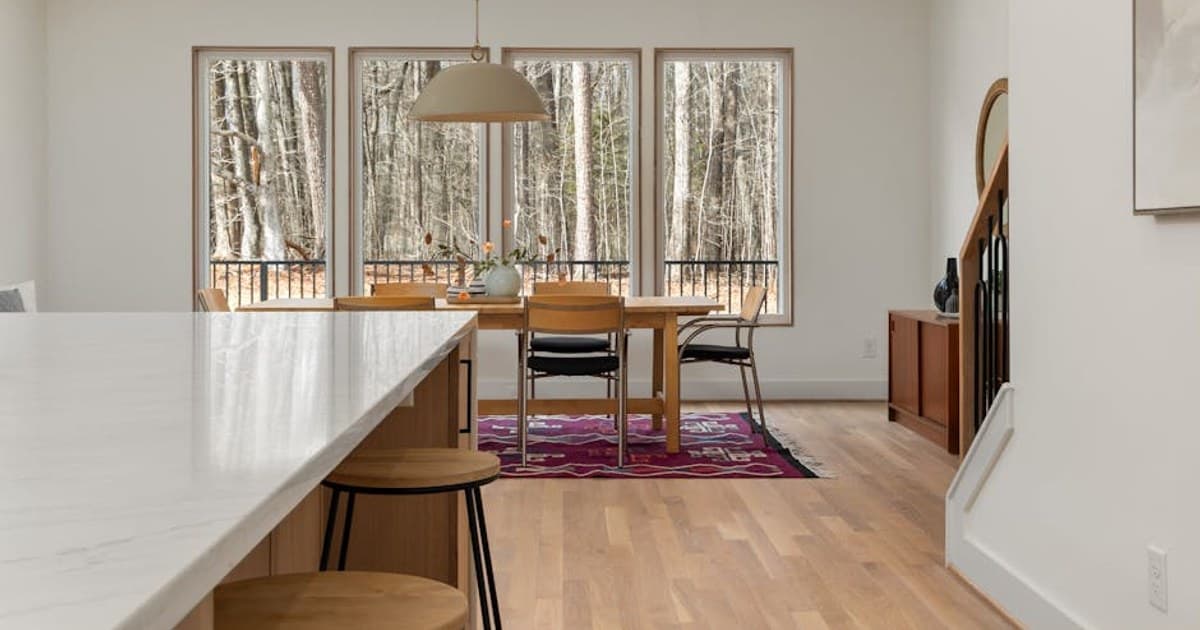
Long Island's single-family-home dominance, the ranches and split-levels and colonials that define most of Nassau and much of Suffolk, shapes the storage problem in a particular way. A locked container, stored high, in a place the kids don't have reason to access, is the baseline. The details are below.
Storage, the Non-Negotiable
Licensed cannabis purchased from an OCM retailer comes in child-resistant packaging, but child-resistant is not child-proof. The full framework is child-resistant packaging, in a locked container, stored high, in an adult-only space. For households with toddlers and young kids, the container should be locked every time, every product, no exceptions. For households with older kids and teens, the lock remains non-negotiable and the conversation shifts.
Edibles are the most urgent category. A 100mg package of gummies looks identical to a non-THC candy product at a glance. Poison Control centers across New York see accidental pediatric edible exposures every month. The home-storage posture for edibles is stricter than for flower: locked container, never on a counter, never in a kitchen cabinet that kids have ever opened for any reason.
The Conversation with Kids
The age-appropriate conversation about cannabis at home is a parenting judgment, not a cannabis-industry template. The framing that some parents describe as working best is the same framing they use for alcohol: this is an adult product, it's for adults over a certain age, it exists in our house, and it's not accessible to kids for reasons we can explain as they get older.
For teens 21+ framing matters in a specific way. The legal age in New York is 21, full stop. A 19-year-old being told that cannabis is an adult product but not being allowed to use it even at home is hearing a version of the same message they hear about alcohol. Consistency across the two categories tends to land.
Visibility, the Other Rule
The rule that holds in every household configuration is visibility: kids should not observe cannabis use, and they should not encounter the product. Parents who handle this well keep cannabis out of the daytime household, out of shared rooms, and out of the car entirely.
Smoke and vapor bring their own household-air considerations, which is why many parents who use flower keep it outdoors and away from open windows, or skip smoking at home altogether. Intoxication and active parenting don't overlap.
Compliance, Quickly
- Adults 21+ only for every licensed purchase or consumption.
- Licensed retailers only. Verify licensed status via the OCM QR code at cannabis.ny.gov.
- Child-resistant packaging plus a locked container, stored high, in an adult-only space. Every product, every time.
- Poison Control: 1-800-222-1222. New York runs state-wide coverage. Save the number.
- New York state law prohibits cannabis consumption on state-owned land and in public spaces. Playgrounds, school grounds, state parks are all public space.
Where to Go Next
*This is editorial, not legal advice. Always verify current cannabis laws at cannabis.ny.gov.*
Jay, Editorial Team
Jay pairs cannabis to setting — town guides, dining, festivals, outdoor adventures, and the regional editorial that ties cannabis into specific places and moments. Their writing anchors the town anchors, cabin and lodging coverage, music heritage and Tanglewood-arts pillars, and the lifestyle context that makes a region feel real.