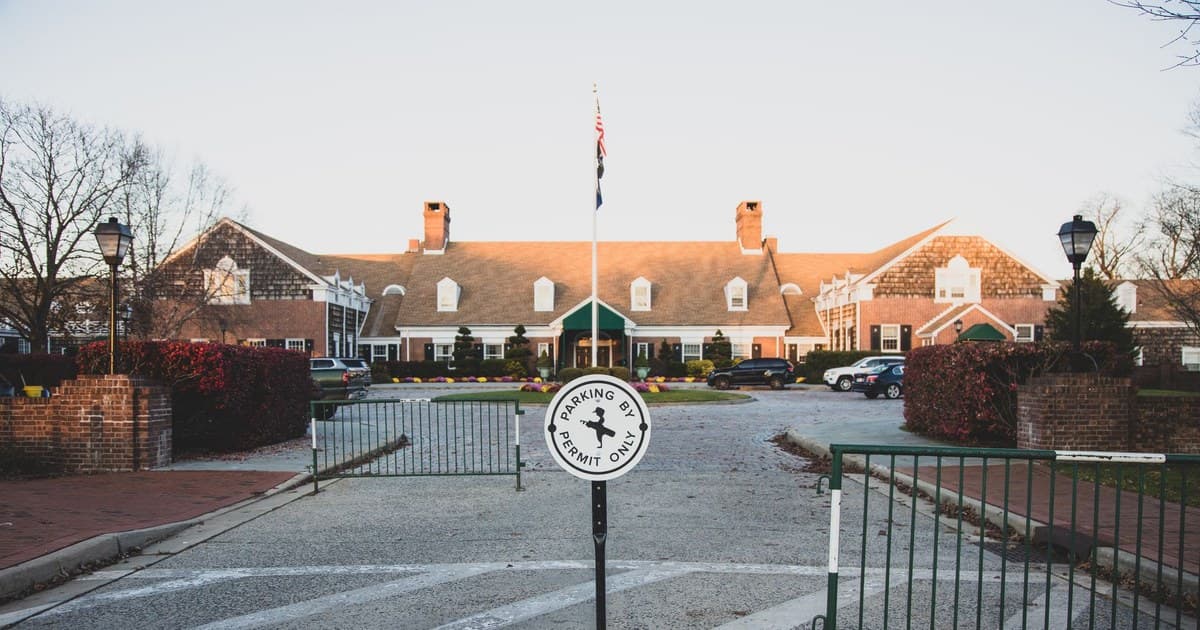



The Suburban Reality
Most Long Island cannabis consumption happens in a household context: kids, a spouse, sometimes an aging parent in the back room, a commuter schedule. The lifestyle doesn't look like the Brooklyn cannabis scene (nightlife, dispensary walks, rooftop culture). It looks like: home on the LIRR at 7:15, dinner at 8, kids to bed at 9, and a household where storage, visibility and the neighbors matter more than any scene.
This is a guide for adults 21+ making suburban Long Island cannabis work.
Buying for the Household
The suburban buyer is usually a household buyer: a licensed delivery order or a weekend stop at a licensed shop, a short list of low-dose products, and close attention to labels. What to know:
- Edibles take 60-90 minutes. Don't take a second serving because "nothing's happening" at 45.
- Read the per-package number, not just the per-serving one. A 100mg package is several servings.
- Keep cannabis and alcohol separate.
- Low-dose tinctures (CBD-forward or 1:1) are on most licensed menus for adults who want a lower-THC product.
Secure Storage
In a household with kids, pets, or non-consuming housemates, storage matters. A few practices:
- A locked box for edibles. Pediatric cannabis poisonings have tracked the edibles market upward; secure storage prevents nearly all of them.
- Original packaging. State-mandated child-resistant packaging exists for a reason. Do not decant into a cookie jar.
- Separate storage for edibles and food. Kids confusing a gummy with a regular candy is the most common accident.
- Pets. Dogs especially — cannabis toxicity for dogs is real and often requires ER care. See cannabis and pets.
Talking to Teens
If you have teenagers, cannabis is part of the conversation. Adults who consume legally are generally more credible on the "here's why I don't recommend this for your developing brain" framing than adults who pretend not to. A working framework:
- Be honest about your use. Hiding it is worse than explaining it.
- Age-of-use research matters. Adolescent cannabis use has documented risks for developing brains that adult use does not carry. This isn't a slogan.
- 21+ means 21+. It's not a negotiation point.
- Talk about alcohol too. The "cannabis but not alcohol" household isn't sending a mixed message; it's sending the actual message about teenage substance use.
Older Long Island Adults
Older adults — parents, in-laws — are one of the fastest-growing cannabis demographics. For a Long Island adult whose 70-year-old mother is curious about trying cannabis: start with a licensed dispensary consultation, low-dose tincture (2.5mg), no more than once every 2-3 days for a first few tries. Talk to her doctor about interactions with any existing medications. See cannabis for seniors.
The Housemate Question
Cannabis in a household with a non-consuming adult (spouse, adult child back from college, roommate) requires explicit communication. The short version: don't make them second-hand consumers. Consume outside, in an exhaust-heavy room, or by edible/tincture only. Respect their preferences about storage visibility.
Compliance, Quickly
- 21+ only. Never consume around minors.
- Licensed retailers only.
- Secure storage.
- No driving.
- Start low, go slow.
Where to Go Next
- Long Island licensed dispensary guide
- Family-scale cannabis Long Island
- Cannabis education — cannabis for seniors
This is editorial, not legal advice.
Jay, Editorial Team
Jay pairs cannabis to setting — town guides, dining, festivals, outdoor adventures, and the regional editorial that ties cannabis into specific places and moments. Their writing anchors the town anchors, cabin and lodging coverage, music heritage and Tanglewood-arts pillars, and the lifestyle context that makes a region feel real.