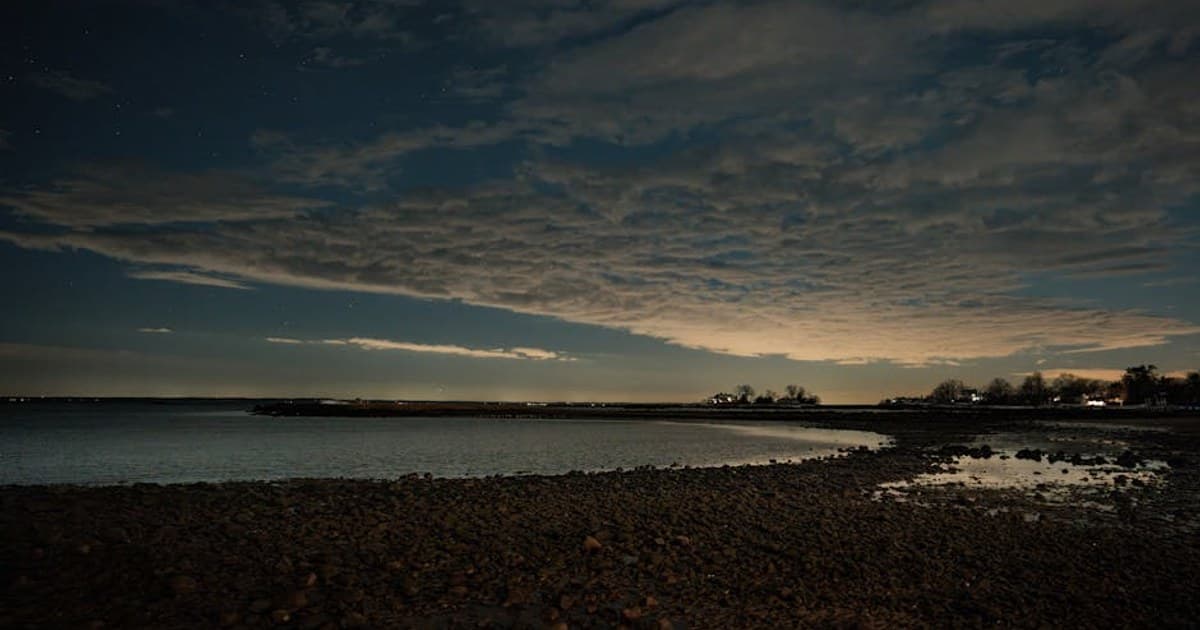


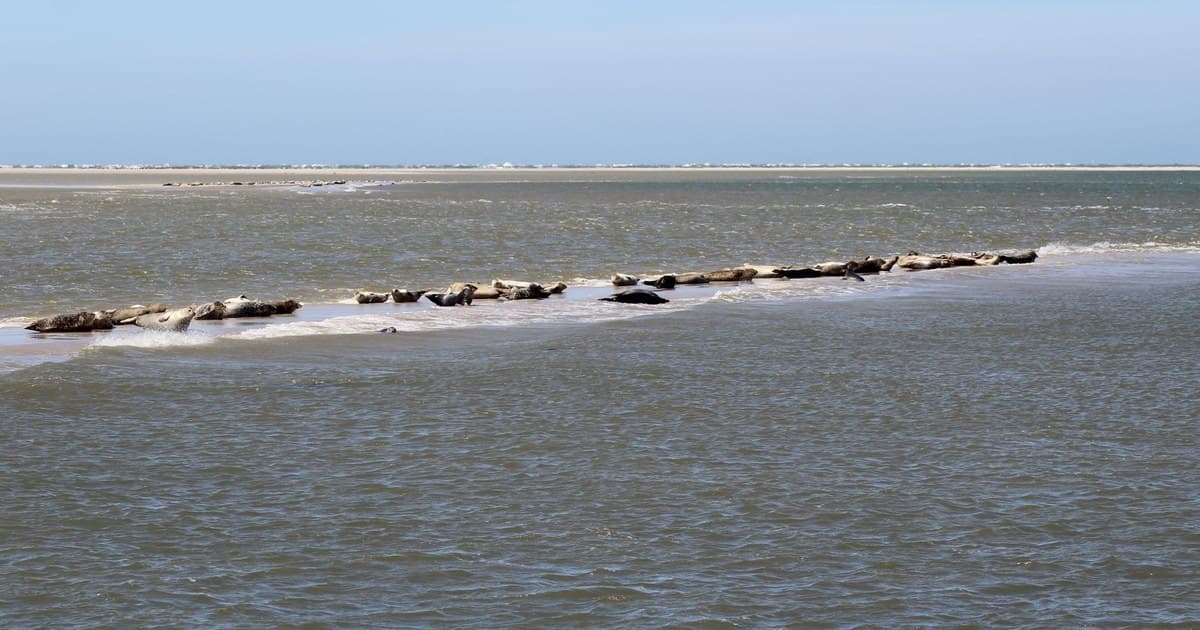
Seal watching on Long Island is a winter sport. From late fall into spring, harbor seals come down to the Island's bays and inlets, haul out on sandbars and marsh islands, and draw small crowds of people in hats and gloves with binoculars. As of 2026 the 2026–27 season has a published schedule of scientist-led walks at Cupsogue Beach, and the state and federal shorelines from Jones Beach to Fire Island have their own winter regulars. For adults 21+ looking for a cold-weather weekend outdoors, here is where to look, when, and how far back to stand.
Who shows up, and when
Harbor seals are the regulars. The state's Department of Environmental Conservation lists them among the wildlife to watch at Jones Beach State Park, arriving in winter and seen in the surrounding waters or hauled out on a marsh island. The National Park Service calls the harbor seal a regular winter visitor at both Fire Island inlets, notes that seal sightings are common in winter, and counts nineteen species of marine mammals recorded within Fire Island National Seashore.
Gray seals turn up too. The Park Service lists them among the region's common seals, and the Coastal Research and Education Society of Long Island (CRESLI) logged a gray seal at Cupsogue in April 2026.
Haul-outs depend on tides and weather, so no walk guarantees a sighting. The guided walks give the odds a scientist's help.
The Cupsogue walks
CRESLI, a nonprofit research and education group founded in 1996, has run seal walks at Cupsogue Beach County Park, at the west end of Dune Road near Westhampton Beach, for two decades. The walks are about 1.2 miles round trip and take 1 to 1.5 hours, with a talk before setting out.
CRESLI's posted 2026–27 schedule, with arrival time and talk start:
- Sunday, December 6, 2026: arrive 10:15 AM, start 10:30 AM
- Sunday, December 20, 2026: arrive 8:30 AM, start 8:45 AM
- Sunday, January 3, 2027: arrive 8:30 AM, start 8:45 AM
- Sunday, January 31, 2027: arrive 7:30 AM, start 7:45 AM
- Sunday, February 14, 2027: arrive 6:30 AM, start 6:45 AM
- Sunday, February 28, 2027: arrive 6:30 AM, start 6:45 AM
- Sunday, March 7, 2027: arrive 11:15 AM, start 11:30 AM
Reservations are required, through the form CRESLI links for each date, and the group says it will post more dates as they are set. There's no fee; CRESLI suggests a donation of $5 per adult and $3 for those under 18, and a reservation stands whether or not you give. Weather cancellations go out by phone and email.
Know before going: past listings for the walks advise warm layers, long pants, a hat and gloves, waterproof shoes, muted colors, water, a camera and binoculars, and warn that the park has no restrooms in winter and spring. Expect wind chill on the barrier beach.
CRESLI also runs seal cruises on Shinnecock Bay aboard the R/V Peconic, departing from Stony Brook University's marine science center in Southampton, in a season starting December 5, 2026. Dates and reservations are on its site.
Jones Beach and the western barrier
On the Nassau end, Jones Beach State Park is the DEC's listed site for winter harbor seals, with the ocean and bay shorelines, the boardwalk, a viewing platform and the Jones Beach Energy & Nature Center as the places to look. The Nature Center has run winter seal walks in past seasons; its calendar on the State Parks site will show whether and when they run this winter. The DEC also notes that snowy owls often visit the beach in winter, which gives a slow seal day a second chance. The Jones Beach hub collects the site's coverage.
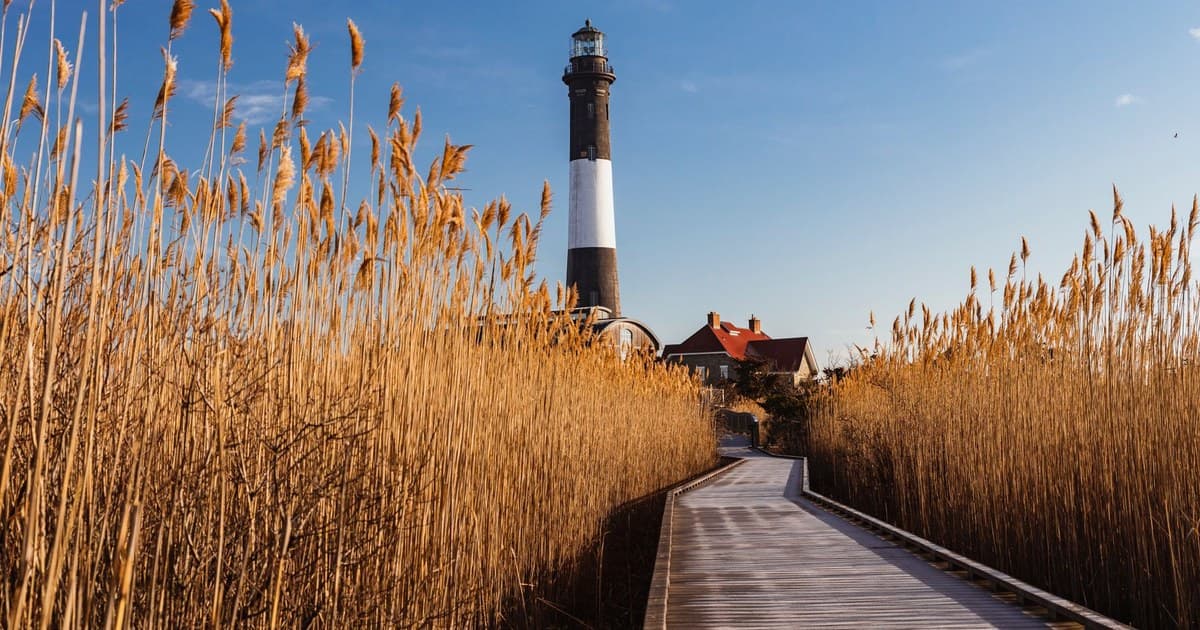
Fire Island in winter
The Park Service's winter page for Fire Island describes seals basking on the winter beach and sightings as common. Fire Island is also the one place on this list with a different legal regime: most of it is Fire Island National Seashore, federal land where the Park Service says possession or use of any amount of cannabis is prohibited, state law notwithstanding. That is worth knowing before any trip there, seals or not. The Fire Island hub has more.
The 150-foot rule
Seals are federally protected under the Marine Mammal Protection Act, and every agency involved gives the same distance: stay at least 150 feet away. The New York Marine Rescue Center says getting closer stresses seals and changes their natural behavior, and CRESLI passes along NOAA's rule of thumb: hold a thumb up at arm's length, and if it doesn't cover the seal, you are too close.
- Seals resting on the beach are usually fine. Hauling out is normal. Don't approach, surround or try to push one back into the water.
- Leave the dog home or leashed and far back. The DEC warns that seals are wild animals that can injure people or pets and can carry diseases that spread to humans.
- Report trouble, don't handle it. If a seal looks sick or injured, call the New York Marine Rescue Center's 24-hour stranding hotline at 631-369-9829 with the location and details, and keep your distance.
For adults 21+
Every seal-watching spot on the Island is public land: a state park at Jones Beach, a county park at Cupsogue, federal parkland on most of Fire Island. New York state law prohibits cannabis consumption on state-owned land and in public spaces, and federal law covers the National Seashore. The beach, the boardwalk and the parking lot are all part of that.
Licensed shops near the South Shore are in the Town of Babylon and the Town of Brookhaven; verify licensed status via the OCM QR code at cannabis.ny.gov before buying, and check the dispensary directory for the current list. Adults 21+ can buy up to three ounces of flower and 24 grams of concentrated cannabis with a valid photo ID. Several of these walks start early on the barrier beach roads; never drive after consuming.
For other winter weekends on the South Shore, the events calendar has the season.
FAQ
Where can I see seals on Long Island? Cupsogue Beach County Park near Westhampton Beach, Jones Beach State Park and the Fire Island inlets are the most documented spots. Harbor seals are the most common, with gray seals also seen.
When is seal season on Long Island? Roughly late fall into spring. CRESLI's 2026–27 Cupsogue walks run from December 6, 2026 through at least March 7, 2027.
Do I need a reservation for the Cupsogue seal walk? Yes. CRESLI requires reservations for each walk. There's no fee, with a suggested donation of $5 per adult and $3 for those under 18.
How close can I get to a seal? No closer than 150 feet. Seals are protected under the Marine Mammal Protection Act, and approaching them can stress them.
What should I do if I find a seal on the beach? Keep your distance and keep dogs away. If it looks sick or injured, call the New York Marine Rescue Center's stranding hotline at 631-369-9829.