

The Beach Is Not Your Living Room
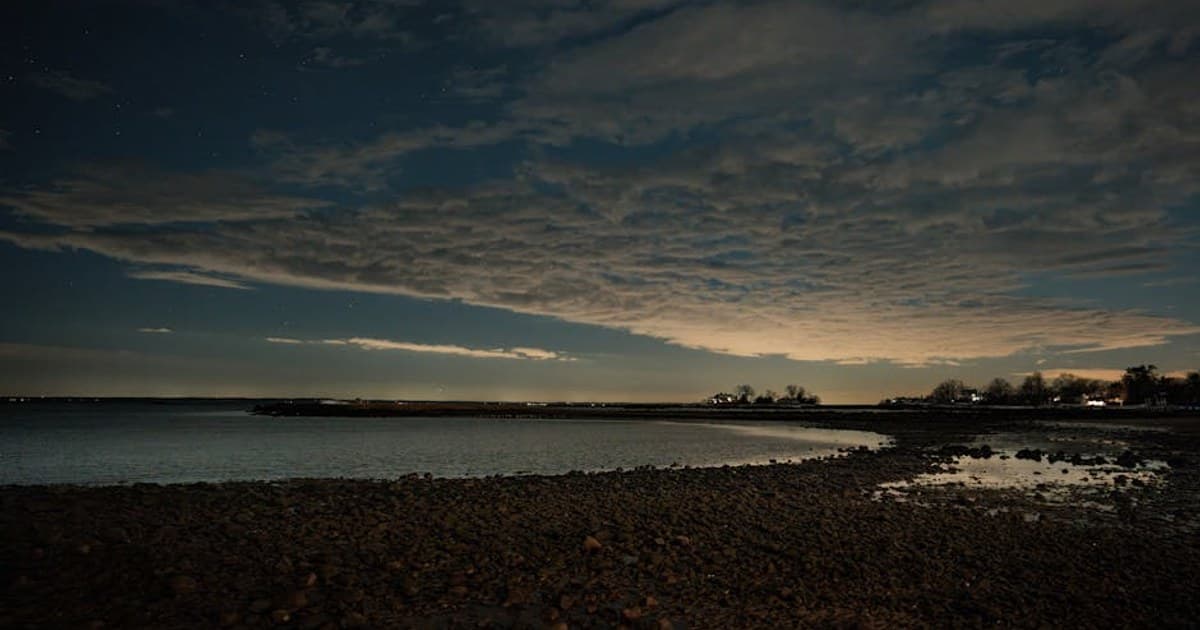
Jones Beach State Park and the state-owned portions of Fire Island are not flexible compliance contexts. New York state law prohibits cannabis consumption on state-owned land and in public spaces. That sentence covers Jones Beach in full, and covers Robert Moses State Park on the western end of Fire Island. The federal Fire Island National Seashore has its own, stricter rule: the National Park Service prohibits possession of any amount. There is no reasonable reading of the law that allows a beach towel on Jones Beach to become a legal consumption site.
This is not a gray area, and it's not one that park enforcement treats lightly on summer weekends. Jones Beach runs active patrol on the main fields and the boardwalk. Robert Moses runs the same. Fire Island's state and federal portions run seasonal enforcement that steps up around the July 4 corridor.
What State-Land Means in Practice
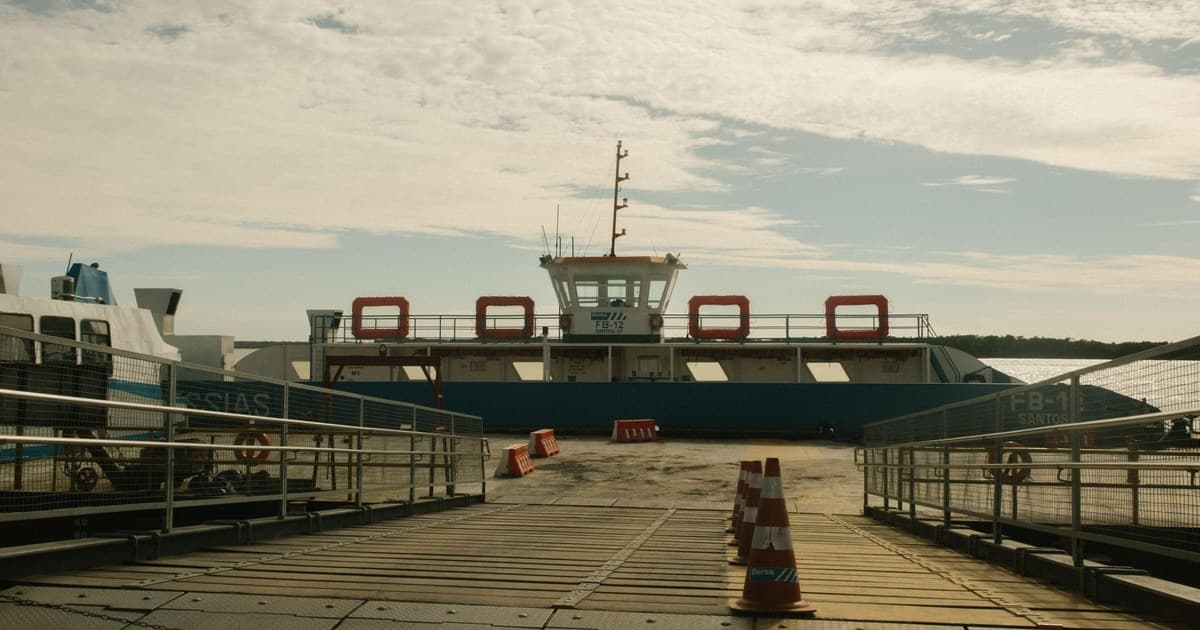
The rule covers the parking lot, the boardwalk, the beach itself, the bathhouse areas, the fishing pier, and every marked park structure. It covers the pedestrian paths in from the ferry landings on Fire Island state portions. Between the villages of Ocean Beach, Saltaire, and the other ferry-access communities, the land is federal Seashore, under the Park Service's possession ban.
What it does not cover is private property. The private beach-club leases inside Jones Beach are a complicated legal structure, some permit private activities that the surrounding state land does not, and the terms vary by club. Fire Island's communities (Ocean Beach, Saltaire, Kismet, and the others) are a different case: Ocean Beach and Saltaire are incorporated villages with their own rules, but every community sits inside the National Seashore boundary.
The Private-Rental Workaround
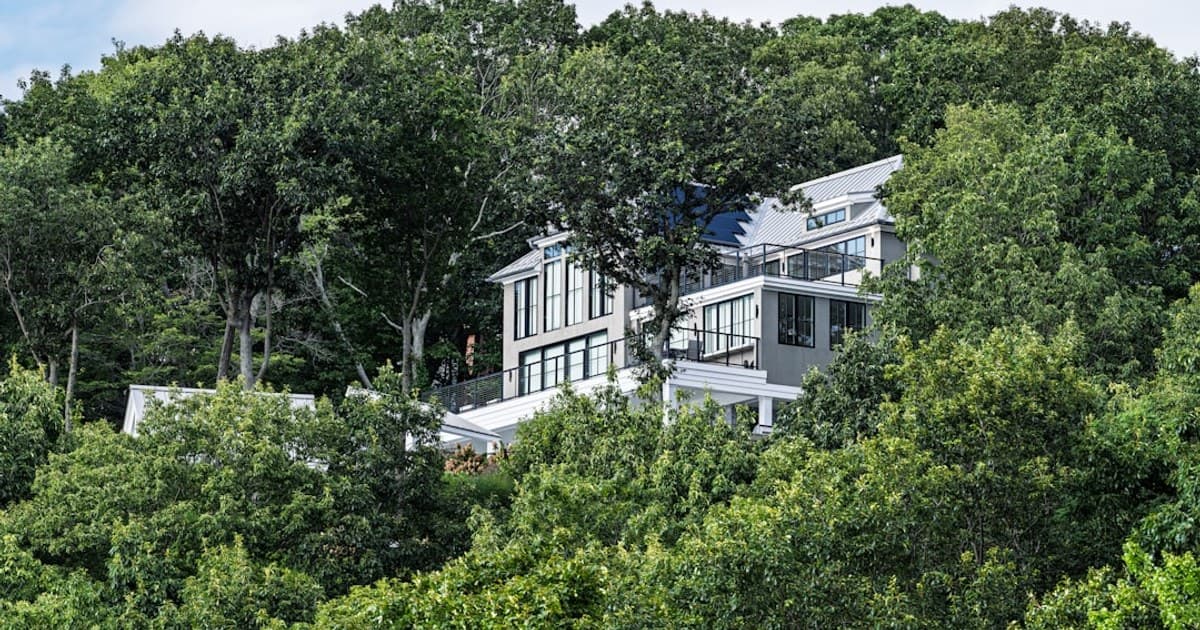
The legal structure for cannabis on or near a South Shore beach day is the private rental, not the public beach. A Long Beach private rental or a Babylon rental with private waterfront, these are private-property contexts where cannabis consumption by adults 21+ with licensed-retailer-purchased product is a different compliance posture than the public beach.
The beach itself stays clean. Whatever the rental's own policy allows stays at the rental, and nothing goes to the sand, the boardwalk or the parking lot except sealed, unopened product.
Fire Island's Two Layers
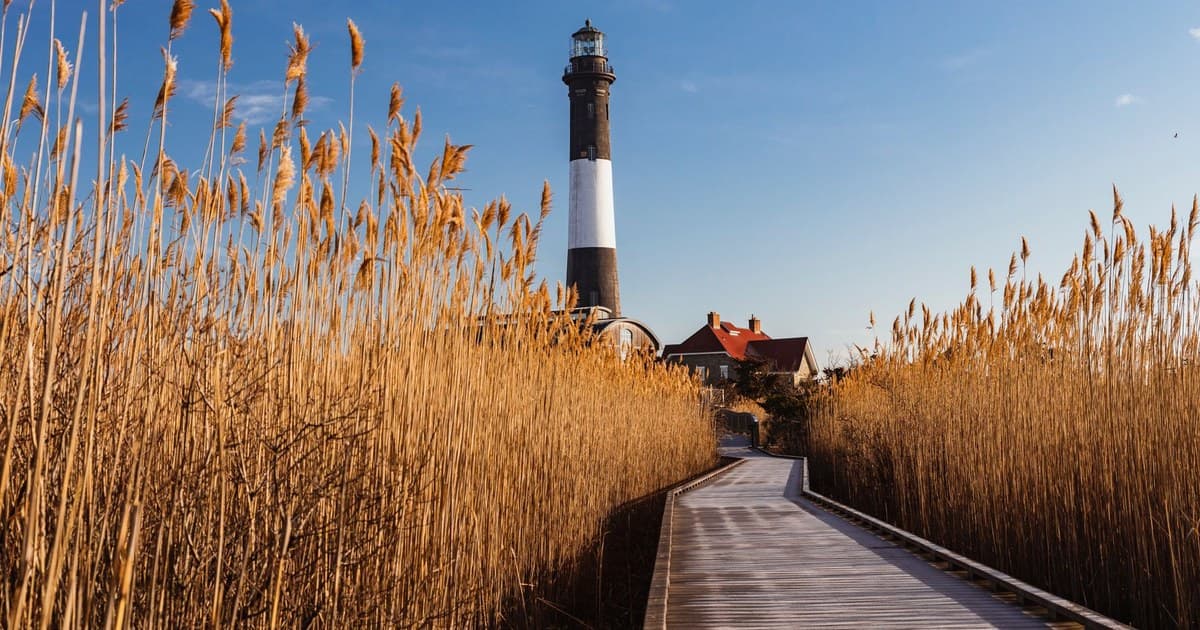
Fire Island is worth separating because the island has state-administered and privately-administered layers that intersect. The western and eastern ends are Robert Moses State Park and Smith Point County Park respectively. The middle is the Fire Island National Seashore with interspersed private villages. The villages themselves are private, the beach in front of them is largely federal seashore, the walking paths are mixed. Federal law prohibits possession or use of any amount of marijuana in the Seashore, the National Park Service says, and the villages sit inside the Seashore's boundary, so a Fire Island village rental is not the private-rental workaround it would be on the mainland. Leave cannabis on the mainland for a Fire Island weekend.
Compliance, Quickly
- Adults 21+ only for any licensed cannabis purchase or consumption.
- Licensed retailers only. Verify licensed status via the OCM QR code at cannabis.ny.gov.
- New York state law prohibits cannabis consumption on state-owned land and in public spaces. Jones Beach, Robert Moses, and state portions of Fire Island are all covered.
- Fire Island's communities, including the incorporated villages of Ocean Beach and Saltaire, sit inside Fire Island National Seashore, where federal law prohibits cannabis possession. Leave cannabis on the mainland.
- Enforcement scales up on summer weekends, especially the July 4 corridor.
Where to Go Next
*This is editorial, not legal advice. Always verify current cannabis laws at cannabis.ny.gov.*
Jay, Editorial Team
Jay pairs cannabis to setting — town guides, dining, festivals, outdoor adventures, and the regional editorial that ties cannabis into specific places and moments. Their writing anchors the town anchors, cabin and lodging coverage, music heritage and Tanglewood-arts pillars, and the lifestyle context that makes a region feel real.